Keeping a brand consistent across every channel
Why a small set of shared rules and ready-made templates keeps a growing brand looking like itself.
By Opsiogen2 min read
A brand drifts as a business grows. More people create content, more channels need it and deadlines win over guidelines. Consistency doesn’t come from policing. It comes from rules that are easy to follow and templates that make the right choice the easy one.
Why consistency matters
People recognise a brand through repetition: the same colours, the same type, the same way of speaking. Each consistent touchpoint builds on the last. Each inconsistent one makes the business look smaller or less sure of itself.
Write down the few rules that matter
Most everyday decisions come down to a handful of things:
- Logo: the versions, the space around it and what not to do with it
- Colour: the main colours, the supporting ones and where each is used
- Type: the fonts and how headings, text and captions relate
- Imagery: the style of photos, illustrations and icons
- Voice: how the brand sounds, with a few examples of what to say and what to avoid
Keep the guide short enough to read in one sitting. A long document nobody opens protects nothing.
Give people templates
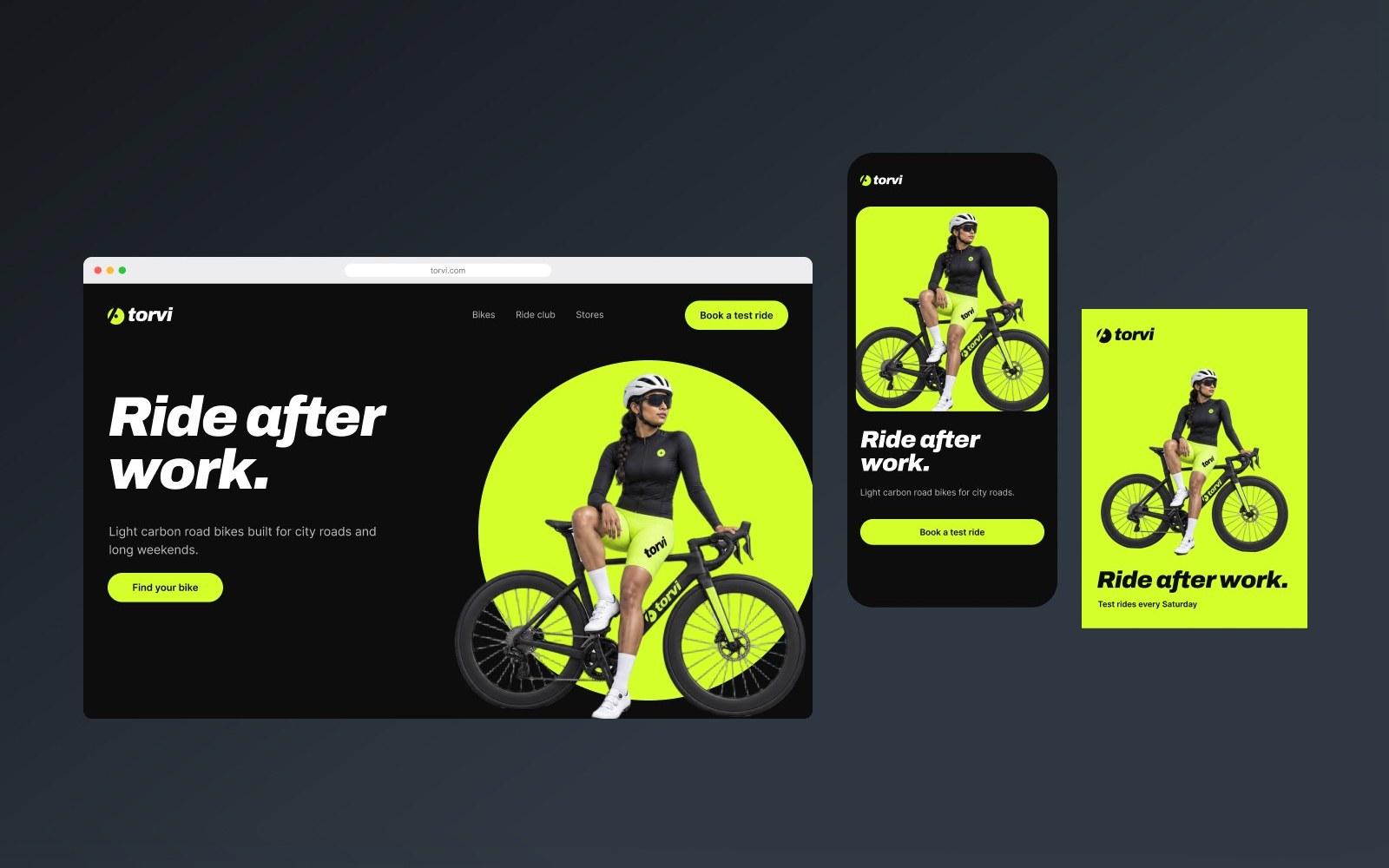
Templates do more for consistency than any rulebook. Ready-made layouts for social posts, presentations, documents, email signatures and ads mean people start from something on brand instead of a blank page.
Keep every file in one place
Put the current logos, fonts, templates and approved photos in one shared place, and remove the old versions. Plenty of inconsistency starts with an outdated file found in an old email.
Adapt without breaking the brand
Every channel has its own shapes and habits. A banner, a story and a printed brochure can’t look identical, and they shouldn’t. Keep the core fixed (logo, colours, type and voice) and let layout and format flex to suit each one.
Make someone responsible
Name one person who answers brand questions and approves new templates. It doesn’t have to be a full-time role, but it does have to be someone’s job.
Review it regularly
Every few months, put recent work side by side: website, social, sales material and print. Where things drifted, ask why. Often a rule was unclear or a template was missing. Fix the system, not just the file.
How we help
We build brand identities, guidelines and ready-to-use templates, and keep them consistent as you grow. See our brand services, or tell us about your brand.